
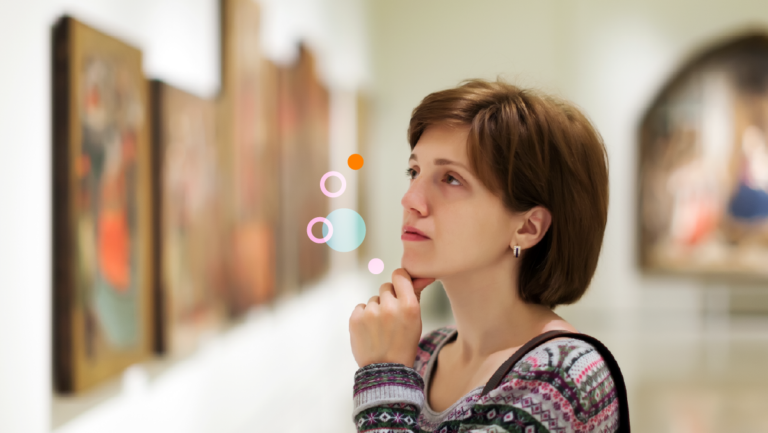
Designing Accessible Spaces: The Power of Cultural Translation in Museums
Museums tell stories that deserve to be understood by everyone, regardless of the language they speak. But that connection often begins long before someone steps inside the building—with a website, online ticketing, or a social media post. If these first interactions don’t feel natural, visitors miss out on the story before they’ve even arrived.
This is where language becomes the very first doorway. Cultural translation for museums and cultural institutions unlocks the entire visit, adapting content to different contexts, so the experience feels authentic from beginning to end.
Every translation choice shapes how people relate to culture and the stories behind works on display and historical sites. When done right, this adaptation does more than just change words—it sparks that sense of wonder that makes a museum visit unforgettable.
Key Takeaways
- Cultural translation plays a central role for museums serving international audiences.
- Preserving meaning across languages requires cultural understanding, subject-matter expertise, consistent terminology, and a coordinated approach.
- Accessibility and multilingual communication work best when they are planned together from the start.
- Cultural translation shapes the entire visitor journey, from websites and ticketing systems to post-visit communications.
- Casa Batlló is a real-world example of cultural translation, accessibility, and localisation combine to support international audiences.
What Is Cultural Translation?
Cultural translation adapts content across languages while keeping its meaning, historical context, cultural significance, and emotional impact intact. Unlike word-for-word translation, it also considers how a different audience might understand the story, including the local references and ideas behind it.
The goal is simple: To make the content feel clear and meaningful to a new audience without losing what makes the original special. In other words, it asks not only, “Are the words correct?” but also, “Will this audience understand the story as it was intended?”
Why Is Cultural Translation Essential for Today’s Museums?
It Welcomes International Audiences
As overseas travel has become easier than ever, museums now see a steady, year-round flow of visitors from all walks of life. This shift brings a wider variety of cultural backgrounds, language proficiencies, and expectations into the galleries. Delivering an inclusive experience means translating content, so every person can connect deeply with the collections.
It Strengthens Visitor Engagement
When people can fully appreciate the cultural significance of a work of art or a historical artefact, they are more likely to recommend, stay engaged, and return for future exhibitions. In short, good cultural translation doesn’t just improve comprehension; it helps forge lasting bonds with audiences.
It Helps Preserve History Accurately
While history should remain true to the facts, it also needs to be presented in a way that is understandable and engaging for the general public. I.e., an exhibition label describing a centuries-old local tradition may need additional context for international audiences without changing the historical narrative itself. Cultural translation helps strike that balance.
It Gives Diverse Identities a Voice
Creating truly representative spaces requires moving away from traditional viewpoints and embracing a wider cultural spectrum. Cultural translation ensures that indigenous, migrant, and minority communities are represented authentically, presenting their history on their own terms. This shift transforms museums into spaces of genuine social inclusion.
#OptimationalTip:
When translating cultural content, ask yourself whether overseas visitors will understand the story (not just the words.) If additional context improves comprehension, you might want to consider including it.
Looking to connect deeper with your international audience?
We can help you adapt your resources with the right balance of linguistic accuracy, cultural expertise, and language consistency.
How Can Museums Preserve Meaning Across Languages?
Accurate translation is only one part of preserving cultural meaning. Museums also need cultural understanding, subject-matter expertise, consistent terminology, and coordinated review to ensure visitors can connect with the same narrative, regardless of language.
Effective cultural translation captures both the core message and its underlying purpose. So, how do you achieve this? Let’s break it down into five key steps:
1. Identify the Purpose of the Content
Start by clarifying what visitors should understand, feel, or do. An educational activity and a promotional campaign may communicate the same exhibition, but have different aims.
2. Provide Cultural and Historical Context
Identify concepts or traditions that may be unfamiliar to audiences with other backgrounds. Relevant context helps visitors understand the story without changing its meaning.
3. Create Terminology Resources
Define approved names, terms, and style preferences before translating. A shared glossary keeps terminology consistent across channels—exhibition panels, catalogues, apps, etc.
4. Adapt Every Format Consistently
Coordinate all resources and materials so they convey the same overarching narrative. The format and level of detail may change, but the central message should remain consistent.
5. Review with Linguistic and Subject Experts
Check translations for accuracy, tone, accessibility, and cultural representation. The right expertise can catch inconsistencies that a purely linguistic review may miss.
In some cases, transcreation—adapting content creatively while preserving its purpose and emotional impact—may also be appropriate. This is particularly valuable for educational materials and multilingual marketing strategies that rely on wordplay, local references, or emotional storytelling.
#OptimationalTip:
Consistency builds credibility. A translation glossary helps lock in key terms across all resources, enabling seamless interactions that reinforce the museum’s educational goals.
How Do Accessibility and Translation Work Together?
Inclusion and cultural translation are most effective when planned side by side. While translation helps remove language barriers, accessibility considers different abilities, learning preferences, and communication needs. Combined, they help more visitors engage with the same content.
| Translation supports… | Accessibility supports… |
| different languages | different abilities and communication needs |
| linguistic understanding | physical, cognitive, and digital access |
| cultural relevance | clarity and usability |
| multilingual audiences | a broader range of visitors |
This approach goes far beyond physical spaces. As museums expand their digital presence through websites, mobile apps, audiovisual content, and interactive exhibitions, information needs to be clear and easy to navigate as well as accurately translated.
This may involve → Subtitling, providing audio descriptions, offering easy-to-read versions of exhibition content, or designing user-friendly websites and digital assets.
For instance, simplifying an educational activity doesn’t mean removing valuable information; it means presenting it more clearly so a wider public—including neurodivergent visitors, language learners, and people with different literacy levels—can make the most of it.
Learn more about accessibility for neurodiversity.
Planning for multilingual and user-friendly interactions from the outset also creates practical benefits. Structuring content with diverse individuals in mind makes it easier to translate, update, and maintain consistently across multiple languages and formats.
A reliable roadmap for this is the Web Content Accessibility Guidelines (WCAG). Following these recognised standards helps institutions build more inclusive digital experiences while supporting efficient, long-term content management.
Translation helps visitors understand the language. Accessibility helps them access and use the information.
#OptimationalTip:
Treat accessibility as an integral part of your content strategy rather than a final checklist. Integrating both from the start creates smoother, more consistent, and highly scalable communications.
Which Museum Materials Benefit from Cultural Translation?
Cultural translation can support every stage of the visitor journey, from discovering a museum online to staying connected after a visit. Different materials serve different purposes, but they all contribute to how international audiences discover, understand, and remember an institution.
Before the Visit: Websites, Search, and Ticketing
During the planning stage, translated content helps international audiences discover the museum and find what appeals to them most. This can include:
- Museum websites and exhibition pages
- Multilingual SEO content
- Ticketing systems
- Practical visitor information
- Social media posts
A well-developed multilingual SEO strategy can help people find a museum before they even begin planning their trip, while localised ticketing makes the booking process easier.
During the Visit: Exhibition Content and Digital Tools
Once visitors arrive, translated content helps them engage with collections and better understand their meaning:
- Exhibition panels
- Room guides
- Audio guides
- Mobile apps
- Interactive displays
- Augmented reality experiences
- Educational resources
Each format may require a different approach, but the content should work together to foster multilingual accessibility and feel natural in every language.
After the Visit: Publications and Communications
Translated content can help institutions maintain connections beyond the museum itself. This is key for extending the reach of their cultural work. Some examples are:
- Catalogues
- Newsletters
- Blogs
- Press releases
- Annual reports
- Promotional materials
A consistent cross-language approach helps ensure that every piece of communication reflects the same voice and cultural sensitivity.
#OptimationalTip:
A multilingual website can keep your museum accessible beyond the visit, helping people discover new information and stay connected with your institution.
Cultural Translation in Practice: Casa Batlló
As one of Barcelona’s most iconic cultural landmarks and a UNESCO World Heritage Site, Casa Batlló welcomes individuals from around the world every year. To support this global audience, working alongside the institution, Optimational helped adapt their content across multiple formats to create a consistent experience across languages while preserving the site’s cultural and architectural significance.
The project demonstrates how cultural translation, accessibility, and localisation can cooperate to support international audiences without compromising authenticity.
Want to see how this project came to life? Explore our Casa Batlló case study to discover the challenges, approach, and results.
Is Your Museum Content Ready for International Audiences?
Ask yourself:
- Does each language communicate the same core narrative?
- Does the content explain cultural references where necessary?
- Does terminology remain consistent across physical and digital materials?
- Does the content account for accessibility needs from the start?
- Does the review cover both linguistic accuracy and subject expertise?
- Do the website and ticketing system feel natural in each language?
- Do multilingual SEO elements reflect local search behaviour?
Every Story Deserves to Be Shared
Museums preserve far more than objects; they protect the stories and cultural heritage that connect us. As institutions embrace more inclusive communication, translation becomes more than a practical requirement: It becomes part of preserving culture itself.
By ensuring every guest can engage with the same narrative, museums don’t just translate content; they build shared, lasting experiences across languages.
Want to make your museum accessible to the world?
We’d love to help!