

Your CEO Says, “We’re Launching in a New Market.” What Happens Next?
Launching in a new market often starts with a deceptively simple message landing in your inbox or Slack on a Monday morning:
📧 We’re launching in France next quarter. Can you get the website translated?
At first, it sounds like a translation project. In reality, translation is only one part of a successful multilingual launch.
Before anyone starts translating pages or feeding content into an AI tool, the team needs to make several decisions. Is there real demand? Which content should be prioritised? How do people search in that market? Can customers complete the full journey? And where would a mistake cause the most damage?
These questions do not belong to the localisation team alone. They affect SEO, paid media, content, UX, customer support, and the wider marketing strategy.
I recently explored them in a short presentation for Search With Sean Live 2026, a collection of more than 30 free digital marketing sessions created to share practical knowledge while supporting several charities.
Watch the presentation below, or continue reading for the seven checks marketers should make before a brand enters a new language or market.
Key Takeaways for Launching in a New Market
Before launching, make sure your team can answer seven questions:
- Market: Is there proven demand, and can the business deliver the local experience customers expect?
- Content: What is the smallest complete customer journey you can localise?
- Search: How do people in the market actually search for your products or services?
- Culture: Which images, names, references and messages need to be adapted?
- UX: Can customers complete the entire journey without encountering a local barrier?
- Trust: Which proof points and reassurance signals matter in this market?
- AI: What would an error cost, and where is human oversight essential?
1. Market: Is Your Brand Ready for This Market?
Interest in a category does not automatically mean your brand is ready to enter the market.
Start with demand, but do not stop there. Before launching, look at:
- Local competitors
- Pricing expectations
- Regulations
- Distribution and stock
- Customer support
- The experience people expect from brands like yours
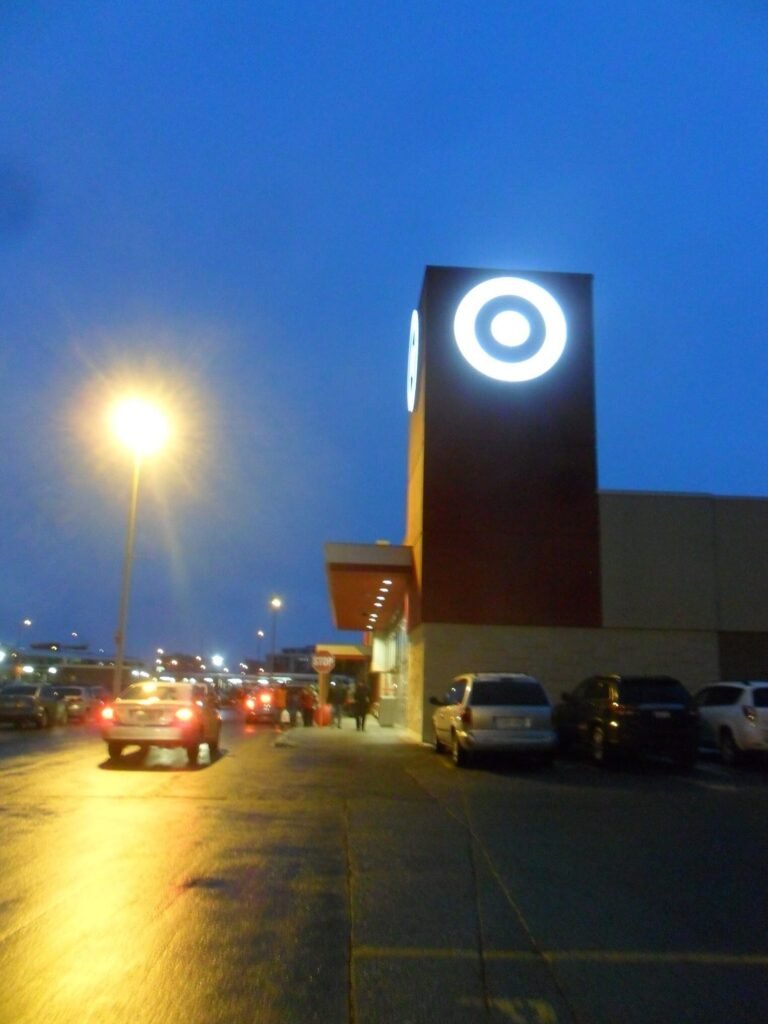
Target’s expansion into Canada shows why this matters. The company opened 124 Canadian stores within nine months in 2013. In January 2015, it announced that it would leave the market.
Target’s CEO later acknowledged that the company had taken on too much too quickly. Inventory issues and pricing perceptions meant that the experience did not meet customers’ expectations. The problem was not a lack of brand recognition. It was readiness and execution.

👉Question to ask: Do we have evidence that people in this market want what we sell—and can we deliver it in the way they expect?
2. Content: What Genuinely Needs to Be Localised?
Translating everything can delay the launch and use budget on content that few people will see. Translating only the homepage creates a different problem: visitors arrive in their language but cannot complete the next step.
A better approach is to define a minimum viable multilingual launch. This means launching the smallest complete customer journey, not simply the smallest number of pages.
That journey might include the content someone needs to:
- Discover the brand through search, advertising or social media
- Evaluate the product or service
- Buy, book or submit an enquiry
- Receive confirmation and get support
The right scope will depend on the business. An e-commerce store may need product pages, checkout, payment information, delivery details, and returns. A B2B company may need its main service pages, case studies, lead-generation forms, and sales materials.
Our website translation services are designed around this wider journey, including navigation, help content, reviews, legal pages and campaigns—not only the main website copy.
👉Question to ask: What is the smallest complete journey we can launch?
#OptimationalTip:
Launch smaller, but not incomplete. Every localised entry point should lead to a next step the customer can also complete in their language.
3. Search: How Do People Look for This Product Locally?
Keywords should not simply be translated from one language into another.
Take the UK phrase “last-minute holidays”. A direct French translation could be vacances de dernière minute. It is understandable, but that does not automatically make it the best keyword.
Compare how the same travel brand presents the category in each market. TUI UK uses “Last Minute Holidays”, while TUI France uses “Voyage dernière minute” and related terms such as séjour.
The difference affects more than one keyword. It can influence the page title, headings, supporting copy, related searches, and even the type of landing page users expect to find.
Translation gives us a starting phrase. Multilingual keyword research shows us how people in the market actually search for the product.
👉Question to ask: What does the local search results page tell us people mean and expect?
#OptimationalTip:
Treat a translated keyword as a hypothesis. Use local search results and keyword data to test it before building the page around it.
4. Culture: What Needs to Change Beyond the Words?
A linguistically accurate campaign can still feel unfamiliar or irrelevant.
Language is only one part of the message. Review elements such as:
- Images and people
- Humour and cultural references
- Names and examples
- Colours and symbols
- Tone and calls to action
Some elements can work across markets. Others need to be adapted so the original idea creates the same response locally.
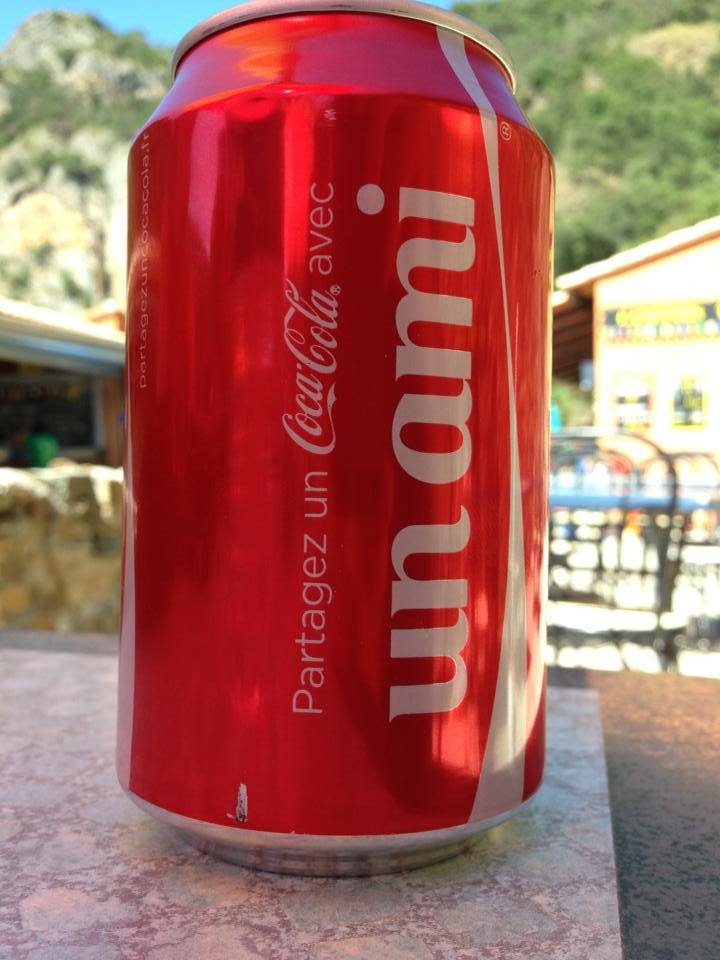
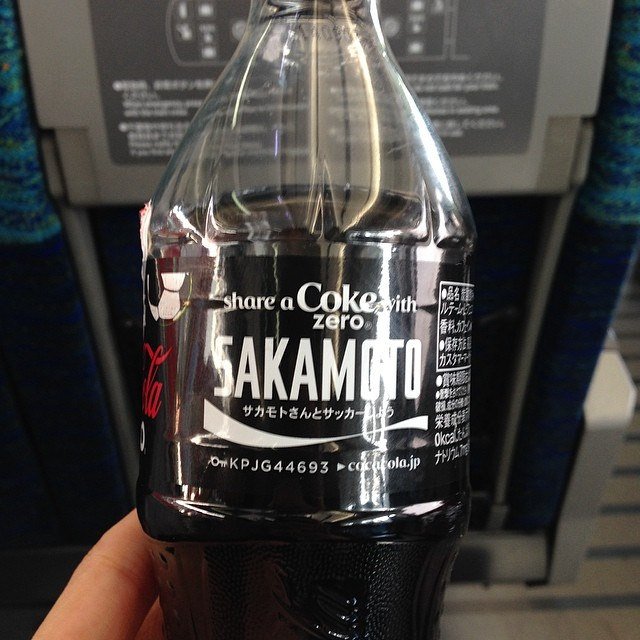
Coca-Cola’s “Share a Coke” campaign is a simple example. The concept remained consistent, but the names and phrases printed on the packaging were researched for different markets. Coca-Cola says the campaign has reached more than 120 countries, with popular names and expressions selected to resonate with local cultures.
The campaign was not rebuilt from scratch for every country. Its central idea stayed recognisable while the personal connection became local.
adapted phrase
👉Question to ask: What could feel unfamiliar, irrelevant, or inappropriate in this market?
5. UX: Can Customers Complete the Entire Journey?
A translated landing page is not enough if the experience breaks at the next step.
Review the complete journey, including:
- Navigation and search
- Forms and account creation
- Dates, currencies, and measurement units
- Cart and checkout
- Local payment and delivery options
- Confirmation emails
- Customer support and returns
Forms are a common point of failure. Imagine selecting France as your country and then being asked to choose a mandatory US state. The page may be perfectly translated, but the customer still cannot proceed.
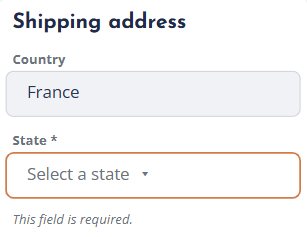
Good international UX accounts for different address structures and requirements. For example, the GOV.UK Design System recommends providing a manual option for international addresses or addresses that are not recognised by a local lookup tool.
This is also why post-launch review matters. In our Polyvision website localisation project, multilingual QA covered links, layouts, formatting, language selectors, and the wider user journey after implementation.
👉Question to ask: Can someone in this market complete the whole journey without encountering a local barrier?
#OptimationalTip:
Review the live website, not only the translated files. Many localisation problems become visible only after the content is placed inside the real interface.
6. Trust: What Proof Does This Market Expect?
Trust does not always travel with the brand.
A review platform, certification, payment method or delivery promise that reassures customers in one country may mean very little in another. The same applies to customer testimonials, support details, returns policies and privacy information.
This does not mean every trust element needs to change. It means the team should check whether customers recognise it and whether it answers their local concerns.
The most relevant trust signals will depend on the business:
- For an online store: familiar payment methods, clear delivery times, and an accessible returns process
- For a B2B company: relevant case studies, local contact details, industry credentials, and support in the customer’s language
A localised e-commerce journey should therefore include the content that builds confidence before and after the purchase, not only product descriptions.
👉Question to ask: What proof do customers in this market need before they will trust us?
7. AI: What Is the Cost of Being Wrong?
The question is not simply whether AI should be used. It is where automation is appropriate and how much human oversight each type of content needs.
Different content needs different levels of oversight:
| Risk Level | Examples | Possible Approach |
| Lower | Repetitive, internal, or easy-to-correct content | More automation with quality checks |
| Medium | Product content, help articles, and campaigns | AI-supported workflow with human review |
| Higher | Pricing, legal information, safety content, and sensitive customer support | Clear human ownership and stricter validation |
Klarna offers a useful example of why the balance matters. In 2024, the company said its AI assistant was handling two-thirds of its customer service chats and doing work equivalent to 700 full-time agents. In 2025, its CEO acknowledged that the company had moved too quickly in using AI to reduce costs and was course-correcting its approach.
The lesson is not that AI should stay out of multilingual work. AI can improve speed, consistency, and scalability. But someone still needs to own the result, set the quality threshold, and decide where human validation is essential.
As we explain in our overview of AI in localisation trends the best workflow depends on risk, quality expectations, and what happens if the content is wrong.
👉Question to ask: What would this mistake cost—and who is responsible for catching it?
#OptimationalTip:
Define risk levels before choosing the technology. The tool should follow the content strategy—not determine it.
You Do Not Need to Become the Localisation Expert
Marketers do not need to manage every linguistic or technical detail themselves. But they should know which questions to ask before the scope, budget, and timeline are fixed.
Translation is part of the answer. When launching in a new market, it should not be the first and only question.
Explore Search With Sean Live 2026
Search With Sean Live 2026 brings together more than 30 free sessions covering SEO, AI, content, analytics, digital PR, conversion, and other areas of digital marketing.
The speakers contributed their time to support the initiative and raise awareness and funds for several charities. If donating is not possible, watching, liking, or sharing the sessions can still help the speakers’ work and the featured causes reach more people.
Explore Search With Sean Live 2026
Planning a Multilingual Launch?
Optimational helps brands combine website localisation, multilingual SEO, and human-led, technology-enhanced workflows.
We can help you define the right content, process, and level of review for your target market.